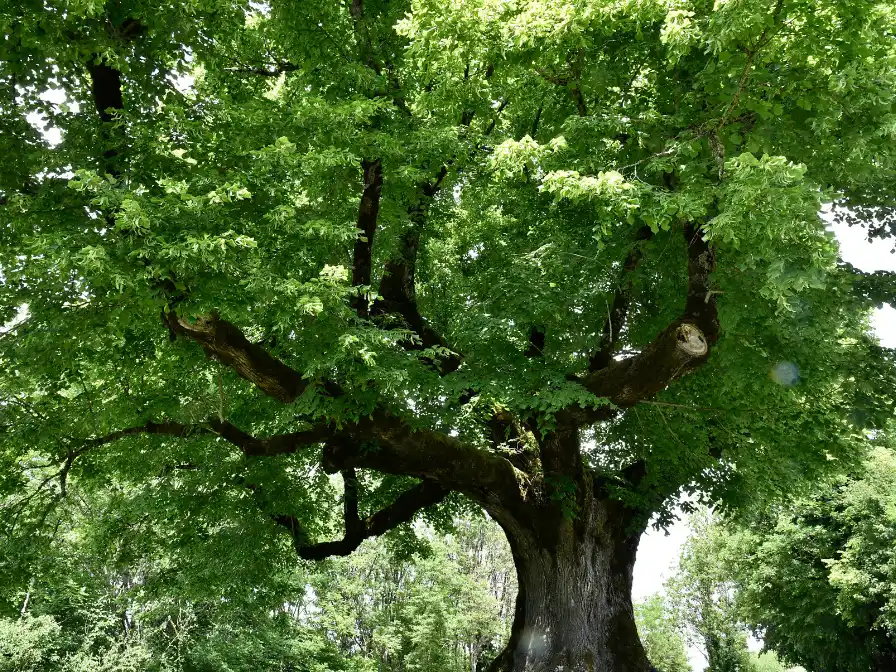
If you own property in Plant City, you already know that trees are one of the best things about living here. They provide shade, improve air quality, add real value to your property, and make the whole neighborhood look better. But Florida’s climate also means your trees face challenges that homeowners in other parts of the country simply do not deal with, including rapid growth, high humidity, pest pressure, and a hurricane season that can test even the healthiest trees.
At Southern Environmental, we are a veteran-owned tree and land services company right here in Plant City, FL. We work with homeowners across Hillsborough and Polk County every day, and we put together this guide to share the most important tree care practices that make a real difference for properties in our area.
Trim and prune your trees regularly
Florida’s warm climate means trees grow fast, and fast growth is not always a good thing if it is not managed properly. Overgrown branches can interfere with your roof, power lines, and neighboring structures. They also create more surface area for wind to catch during a storm, which increases the risk of branch failure or even full tree failure during a hurricane or strong cold front.
Regular trimming and pruning keeps your trees structurally sound, removes dead and diseased wood before it becomes a hazard, and encourages the kind of balanced growth that makes trees more resilient over time.
For most trees in the Plant City area, a professional pruning visit once a year or every other year is a solid baseline. Trees near structures, power lines, or areas with heavy foot traffic may need more frequent attention.
Watch for signs of disease and pest activity
Florida’s humidity creates ideal conditions for fungal diseases, and our warm winters mean pest populations never fully die off the way they do in colder climates. The result is that trees in Central Florida face year-round pressure from insects, fungi, and other pathogens that can cause serious damage if they are not caught early.
Here are some of the warning signs to watch for on your property:
• Unusual discoloration or spotting on leaves
• Soft or spongy areas on the trunk or major branches
• Fungal growth, mushrooms, or conks at the base of the tree
• Sawdust-like material near the base, which can indicate boring insects
• Branches that are dying back even though the rest of the tree looks healthy
• Visible holes or tunneling in the bark
If you notice any of these signs, do not wait to have it looked at. Many tree diseases and pest infestations are manageable if they are caught early, but they can become much harder and more expensive to address once they have spread.
Mulch around the base of your trees
This is one of the simplest and most effective things you can do for your trees, and it is something a lot of homeowners overlook. A proper layer of organic mulch around the base of your trees does several important things:
It retains moisture in the root zone, which is especially important during Plant City’s dry season when trees can become stressed from lack of water. It moderates soil temperature, protecting roots from the heat of summer and the occasional cold snap in winter. It suppresses weeds that compete with the tree for water and nutrients. And as it breaks down over time, it adds organic matter back into the soil, which improves overall soil health.
Apply a layer of wood chips, bark, or pine straw about 2 to 4 inches thick around the base of the tree, and make sure to leave a small gap between the mulch and the trunk itself to prevent moisture buildup against the bark.
Have your trees inspected for structural issues
A tree can look perfectly healthy from the outside and still have serious structural problems that make it a hazard. Internal decay, root damage, and weak branch attachments are not always visible without a trained eye and the right assessment tools.
Our certified arborists look for the following during a structural inspection:
• Cracks or splits in the trunk or major limbs
• Cavities or hollow sections in the trunk
• Co-dominant stems with included bark, which are a common cause of branch failure
• Roots that are circling, damaged, or showing signs of decay
• Any lean that has developed or increased over time
• Previous pruning cuts that were made incorrectly and have not healed properly
If structural issues are found, we will walk you through your options honestly. In some cases, targeted pruning or cabling can address the problem. In others, removal is the safer and more cost-effective choice.
Prepare your trees before hurricane season
Hurricane season runs from June through November, and the window between late winter and late spring is your best opportunity to get your trees ready. Trees that are properly maintained going into storm season handle high winds significantly better than trees that have been neglected.
Here is what storm preparation looks like for your trees:
Prune dead and weak branches before the season starts. These are the branches most likely to fail in high winds, and removing them ahead of time reduces the risk considerably.
Have a certified arborist assess any trees that are close to your home or other structures. If a tree is in poor condition or poses a significant risk, it is much better to address it before a storm than after.
Check the root zone for any signs of instability. Trees with compromised root systems are at much higher risk of uprooting during a hurricane, even if the canopy looks healthy.
Serving Plant City and the surrounding area
Southern Environmental is based right here in Plant City and serves homeowners across Hillsborough County, Polk County, and the surrounding Tampa Bay area. We are licensed, insured, and led by ISA Certified Arborists who know the trees and growing conditions of this region inside and out.
We give you upfront pricing before any work begins, show up when we say we will, and do not leave until the job is done right.
Frequently asked questions about tree care in Plant City
How often should I have my trees professionally inspected?
At minimum, once a year. We recommend scheduling an inspection in late winter or early spring before the active growing season begins, and again in the fall after hurricane season ends. If you have trees near your home or other structures, more frequent inspections are a smart investment.
What is the best time of year to prune trees in Plant City?
Late winter through early spring is generally the best window for most trees in our area. Pruning before the active growing season allows the tree to heal quickly and enter the season in good shape. Getting pruning done before June also means your trees are better prepared for hurricane season.
How do I know if a tree on my property needs to be removed?
Signs that a tree may need to come down include significant lean, large cracks or splits in the trunk, major sections of dead branches, fungal growth at the base, visible root damage, or a history of storm damage that was never properly assessed. If you are unsure, schedule a professional assessment and we will give you an honest recommendation.
Do you offer free estimates?
Yes. Contact us to schedule a visit and we will assess your trees and give you upfront pricing before any work begins. There are no hidden fees and no pressure.
Can you help with both residential and commercial properties in Plant City?
Yes. Southern Environmental works with homeowners, HOAs, commercial property owners, and developers across the Plant City area. Whether you need routine tree maintenance or a larger land clearing project, our team has the equipment and experience to handle it.
Schedule your tree care consultation today
Your trees are one of the most valuable parts of your property. Give them the professional care they deserve and protect your home and family at the same time.
Contact Southern Environmental today to schedule a consultation or request a free estimate. Call us at 813-566-8733 or book online through our website. We are available Monday through Friday from 7:30am to 5pm and Saturday through Sunday from 8am to 5pm.
We are your neighbors here in Plant City, and we are proud to help keep this community’s landscapes healthy and beautiful.